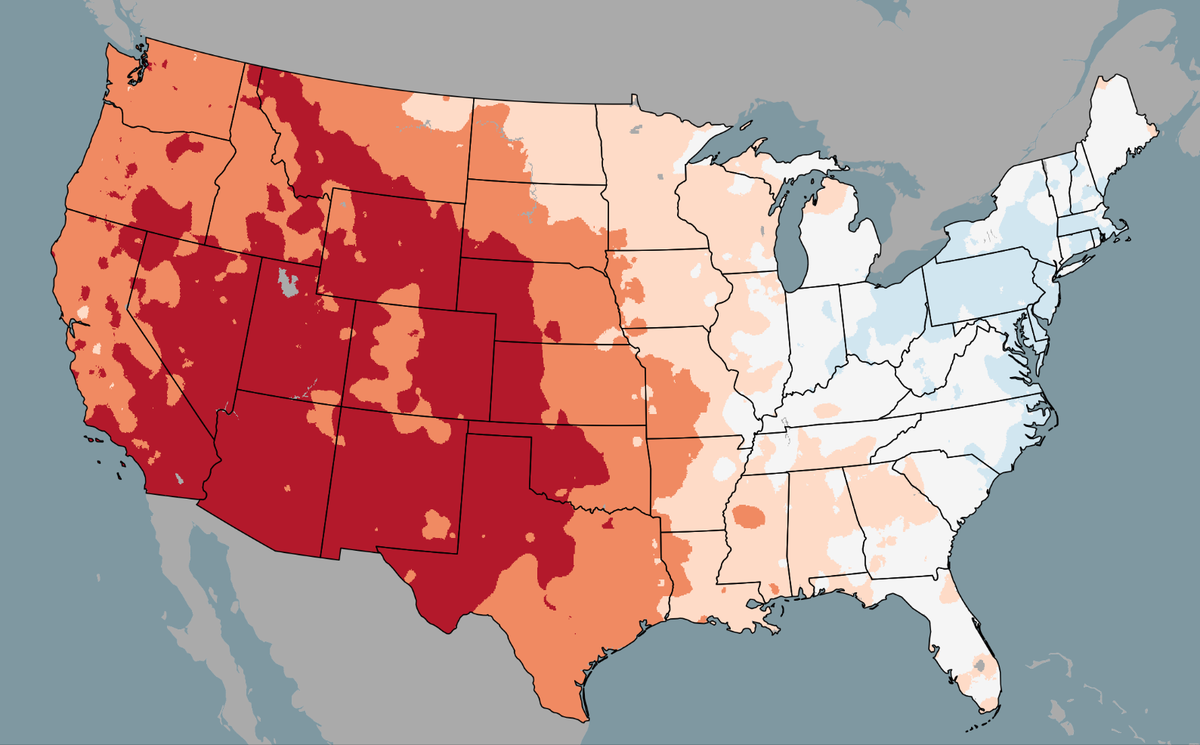
For a lot of East Coast residents, winter 2025-26 felt like a long punishment of snowbanks and cold snaps. Nationally, though, the season ran hot. Scientific American reports that no US state set a record for cold, while nine posted their warmest winter on record and five more their second warmest. Much of the western half of the country stayed so warm that drought worsened and spring wildfire risk climbed before winter even ended. The split-screen experience is one reason climate change can feel politically slippery: a cold week in Boston does not cancel a historically warm season across the broader country. Climate scientist Daniel Swain noted that vegetation in parts of the West greened up for a second time this winter, a vivid sign of how far baseline temperatures have moved. The trend also means future Arctic blasts arrive into an atmosphere that is warmer than it used to be.
Winter is now the fastest-warming season in much of the United States. That shifts what counts as a normal cold snap and makes record cold rarer even when local weather still feels brutal.
France has returned the Djidji Ayokwe, a sacred talking drum taken from Ivory Coast during colonial rule more than a century ago. The carved iroko-wood instrument, more than three metres long and weighing about 430 kilograms, was seized by French colonial authorities in 1916 and eventually displayed in Paris museums. It arrived back in Abidjan on a specially chartered plane, where traditional dancers and community leaders welcomed it home. The drum was historically used by the Ebrié people to warn of danger, summon people to public events, and communicate between villages. Ivory Coast's culture minister called the return a moment of justice and remembrance. Paris formally approved the restitution in February through a special law, and the drum will now be displayed at the Museum of Civilizations in Abidjan. It is the first object returned from a longer list of 148 works that Ivory Coast is seeking from France and other countries.
France began a higher-profile restitution push in 2017 after years of pressure from African governments and scholars. A new framework law adopted by the French Senate in January is meant to make future returns easier.
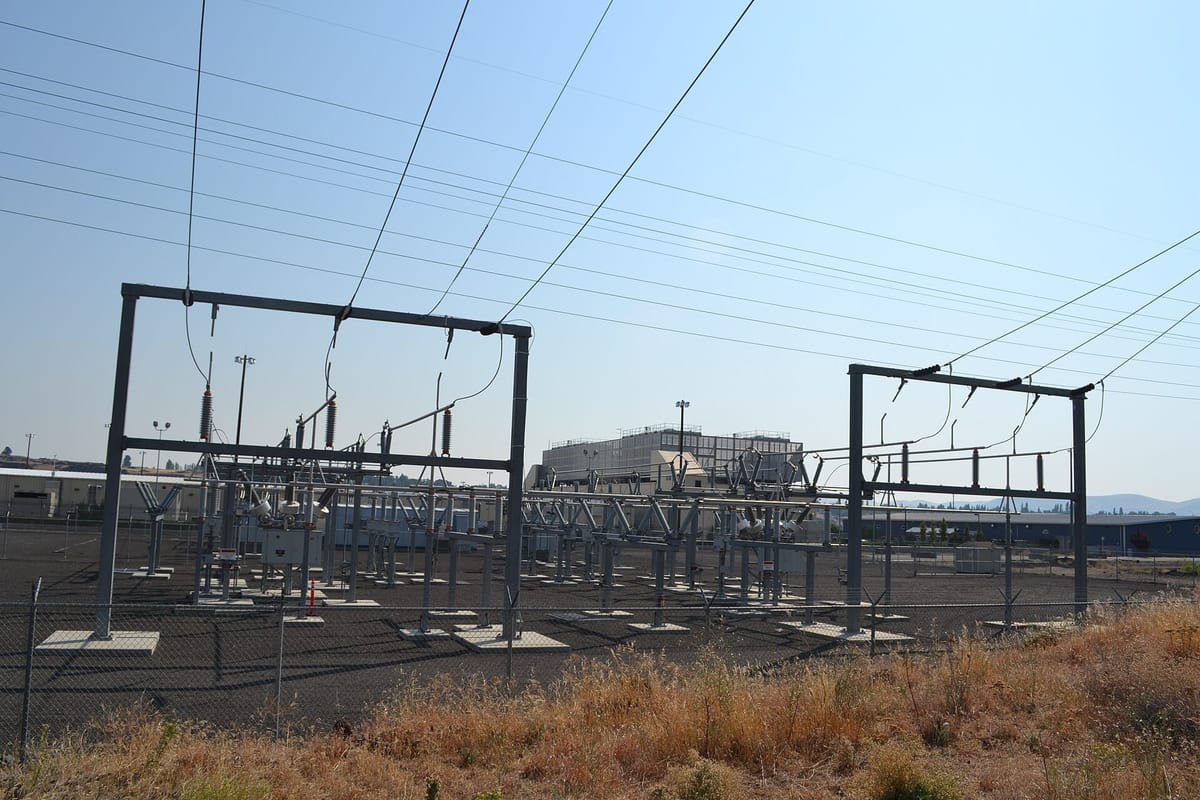
A new Pew survey highlighted by 404 Media suggests the public is not greeting the AI infrastructure boom with much enthusiasm. Pew polled 8,512 US adults in January and found that Americans were far more likely to see data centers as bad for the environment, home energy costs, and nearby quality of life than as a net positive. The backlash matters because the AI industry is now racing to build giant power-hungry campuses across the country, often with local residents learning the full scale only after zoning fights are already underway. 404 ties the poll to a widening pattern of community resistance in places like Michigan, South Carolina, Oklahoma, Texas, and Mississippi, where critics point to noise, water use, pollution, and higher utility bills. Bernie Sanders amplified that mood this week by proposing a moratorium on new AI data centers, arguing the country should pause before locking in infrastructure whose economic and social costs are still poorly understood.
Data centers promise construction work and tax revenue, but they typically employ far fewer permanent workers than politicians imply. Their local footprint is instead dominated by electricity demand, cooling-water use, and land-use fights.
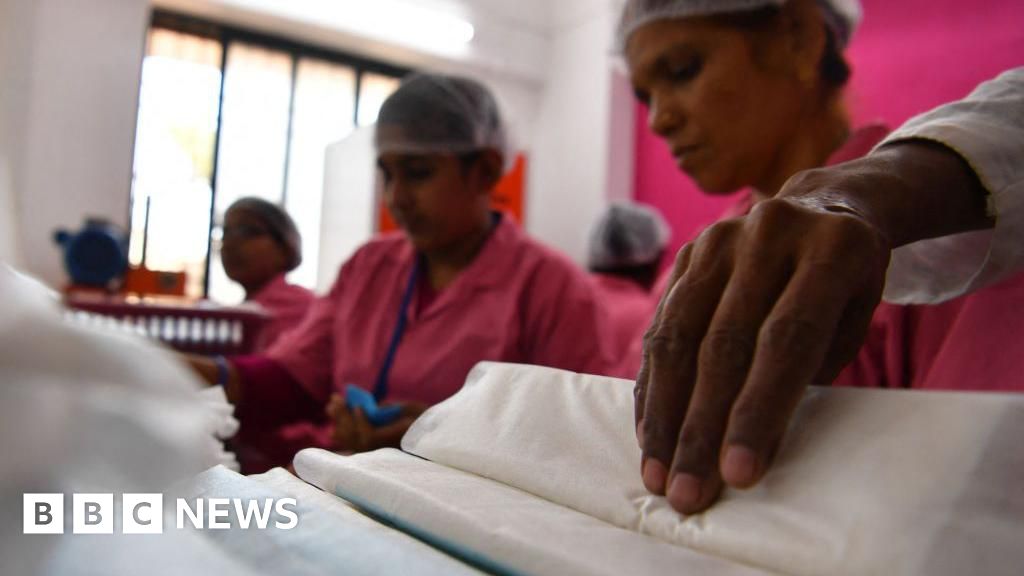
India's Supreme Court has rejected a petition seeking mandatory menstrual leave for working women and female students, with the judges arguing that such a rule could backfire by making employers less willing to hire women. Chief Justice Surya Kant said a blanket leave requirement might signal that women are not on par with male colleagues and could hurt their long-term career prospects. The ruling lands in the middle of a long-running argument in India over whether period leave is a basic health accommodation or a policy that would harden workplace stereotypes. Critics told the BBC that the court's logic effectively reaffirms the taboo around menstruation and ignores broader principles of workplace dignity and safe conditions. Supporters of leave note that several countries, including Spain, Japan, South Korea, and Indonesia, already allow it in some form. Within India, Bihar and Odisha offer limited menstrual leave to government employees, and Kerala extends it to some university and industrial training institute staff.
Menstruation remains a socially taboo subject in many parts of India, where women and girls can still face restrictions around temples, kitchens, or social participation during their periods.
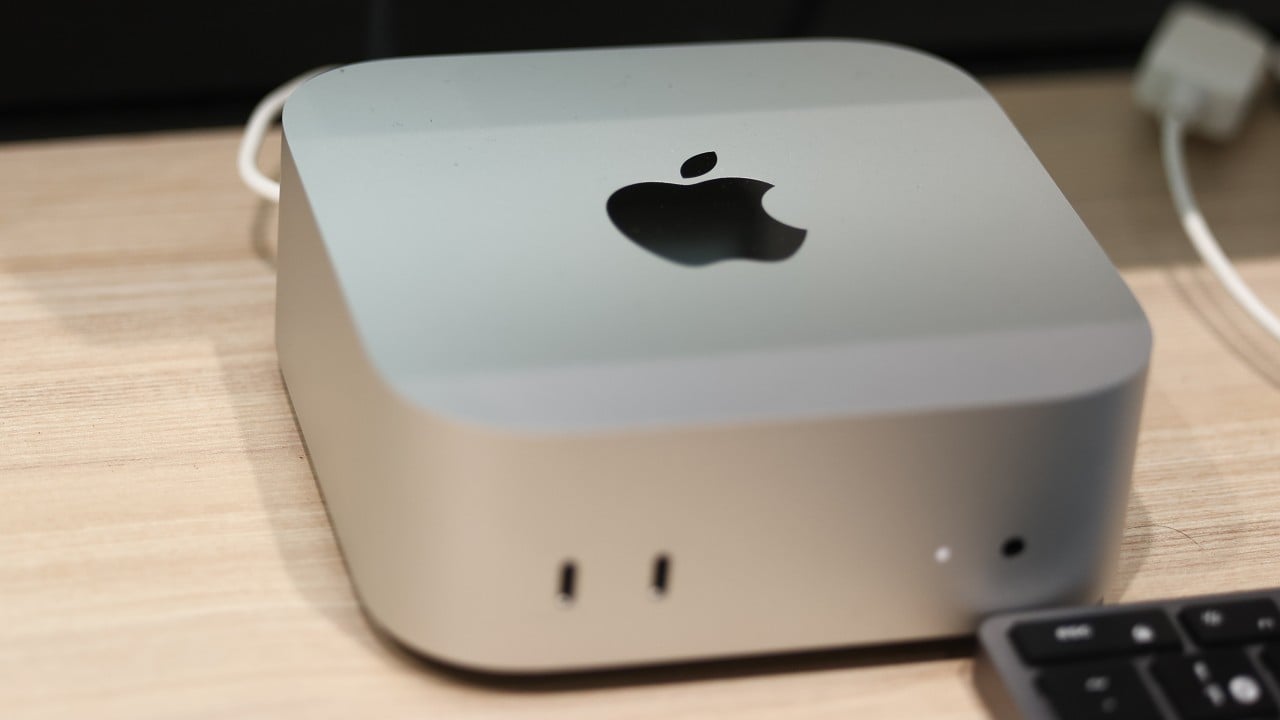
China's OpenClaw boom is now reshaping the hardware market around it. According to the South China Morning Post, Apple's Mac Mini is disappearing from shelves in multiple Chinese cities because buyers see it as one of the safest and simplest machines for running the open-source AI agent locally rather than through a rented cloud service. One Beijing-area electronics seller said the base 16GB/256GB model was already being marked up by at least 500 yuan, and some retailers had no stock left at all. The local appeal is not just performance; it is trust. OpenClaw can browse, click, and manipulate files on a user's behalf, so running it on a personal machine feels much less risky than handing that level of access to a remote provider. The result is a small but vivid example of how a software craze can instantly spill into physical supply chains when people decide a tool is powerful enough to deserve dedicated hardware.
OpenClaw is the open-source agent platform that went viral in China this month under the slang phrase 'raising a lobster.' Its appeal comes from letting users run an autonomous assistant with relatively few restrictions.
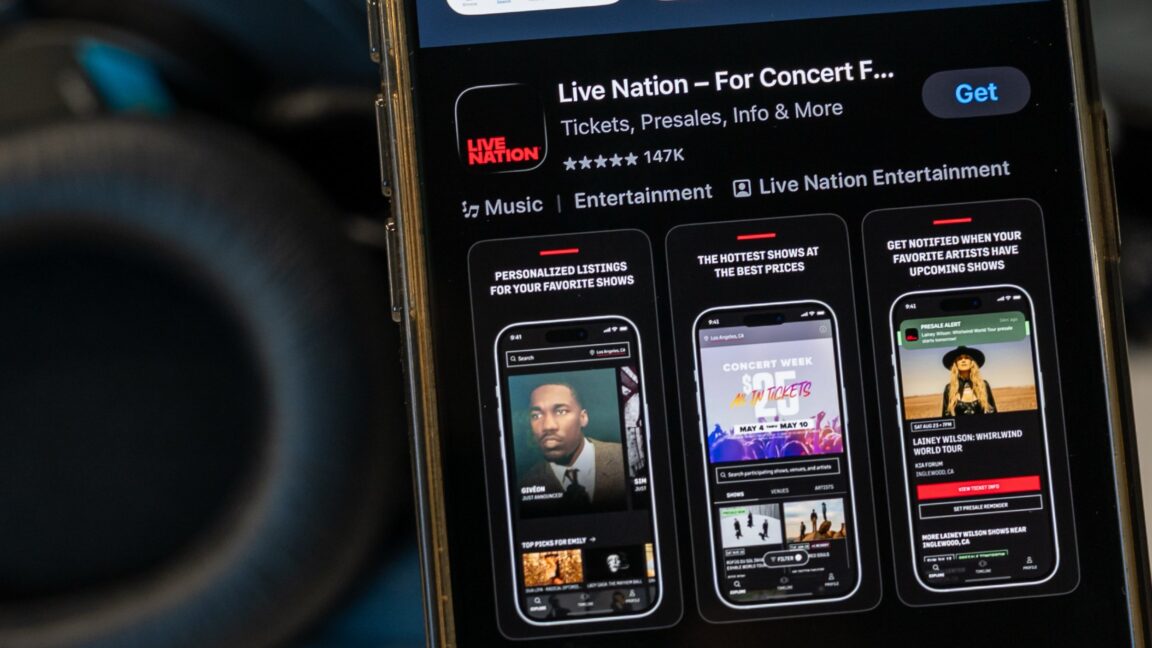
Newly unsealed Slack messages are giving the government's antitrust case against Live Nation and Ticketmaster a much uglier texture. In the chats, a regional ticketing director bragged about charging concertgoers $50 to park in the grass, then $60 for closer grass, and celebrated with the line: 'robbing them blind baby.' In another exchange he wrote that he would 'gouge' customers on ancillary charges to make up for ticket pricing and promotions. Live Nation argues the messages are prejudicial and irrelevant because they concern parking, VIP areas, and lawn-chair rentals rather than primary ticket sales. Government lawyers and state attorneys general say that misses the point: the entire complaint is that Live Nation uses its market power to extract money from fans across the full concert experience, not just the first click on a ticket. The dispute arrives just as the Trump administration's proposed settlement with Live Nation has thrown the broader breakup trial into procedural chaos.
The Justice Department and multiple states sued Live Nation in 2024, accusing it of illegally maintaining a monopoly over concert promotion, ticketing, and major venues. Ticketmaster merged with Live Nation in 2010.
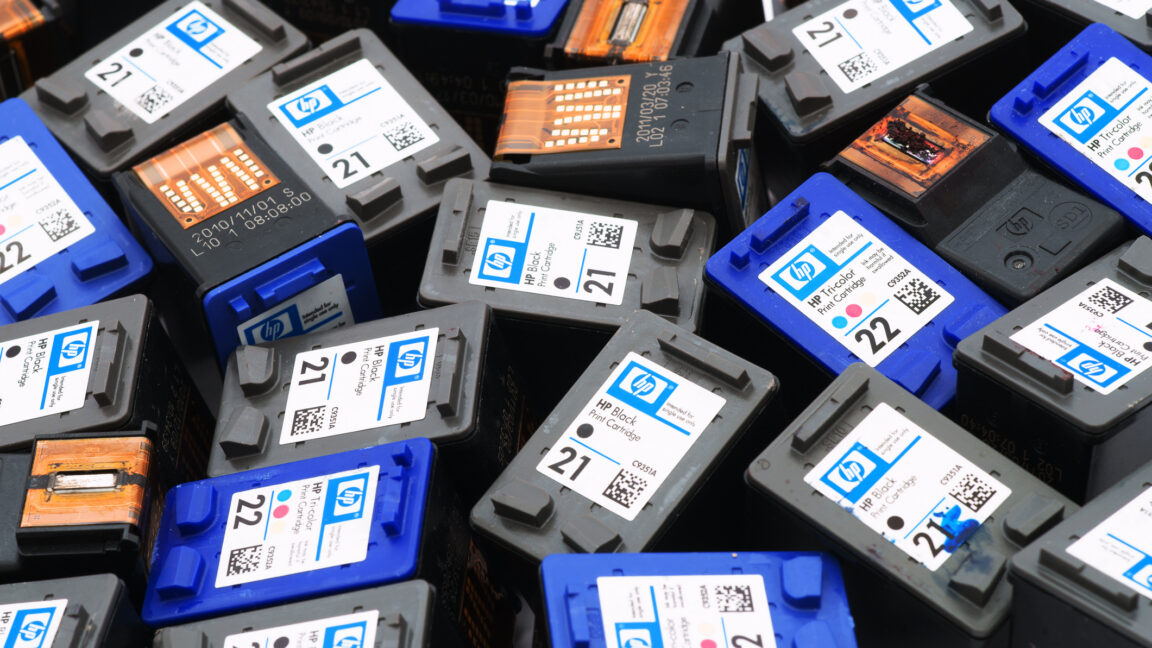
HP may finally have a reason beyond bad press to ease up on printer firmware that blocks third-party ink cartridges. Ars Technica reports that the updated EPEAT 2.0 environmental purchasing rules now require registered imaging products to avoid disabling remanufactured cartridges through firmware updates, offer an approved path for using them, or make remanufactured cartridges available directly. That matters because EPEAT status can influence government, school, and other institutional purchasing decisions. A trade group representing remanufactured cartridge suppliers says HP undermined the spirit of the new rules by pushing firmware 2602A/B across eleven printer models in late January and February, continuing the company's long-running Dynamic Security practice of rejecting some aftermarket supplies. HP has defended those restrictions for years as a security and quality issue, but critics see them as a classic lock-in strategy. The awkward timing is that EPEAT 2.0 is still so new that no printers have been registered under it yet, leaving a standards fight before the real procurement consequences arrive.
HP's Dynamic Security system uses firmware checks to reject some cartridges that do not contain HP-approved chips. The policy has triggered years of lawsuits, customer anger, and right-to-repair style criticism.
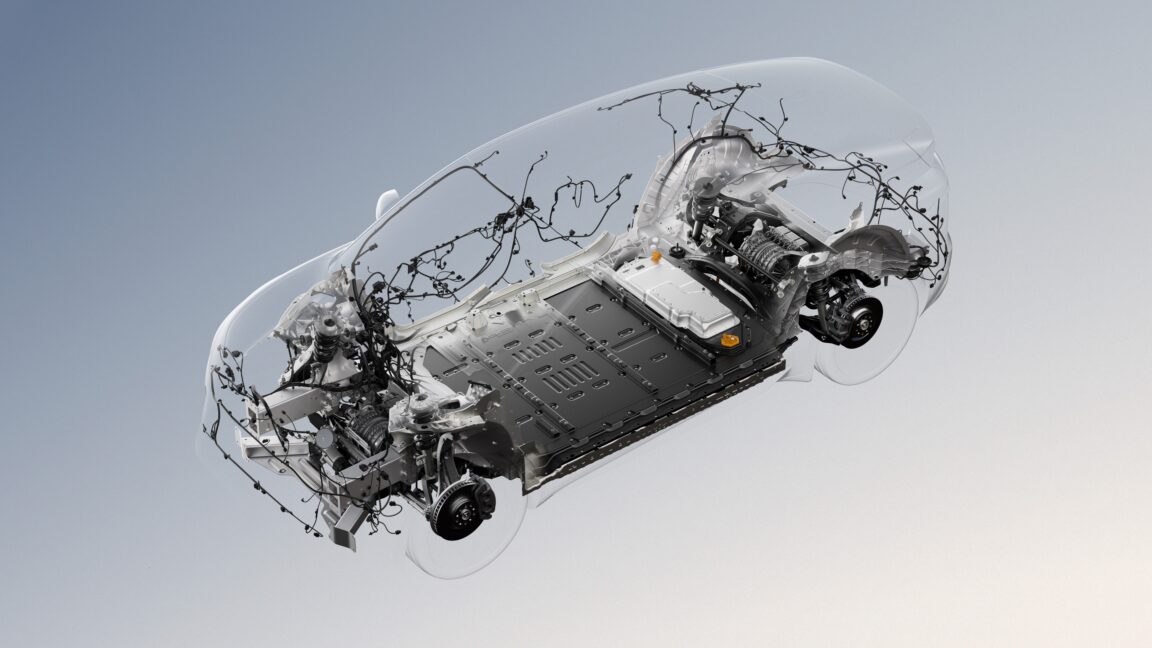
Lucid says its path to becoming a real business, not just an admired engineering project, runs through midsize SUVs priced below $50,000. The company used a strategy presentation this week to unveil its next platform, which will underpin at least three smaller SUVs as well as a two-seat robotaxi called Lunar. Lucid says the first two family-oriented models, Earth and Cosmos, will keep the brand's efficiency-first identity while cutting manufacturing cost sharply through a new Atlas drive unit that uses 30 percent fewer parts, weighs 23 percent less, and costs 37 percent less to build. The company is targeting efficiency of up to 4.5 miles per kilowatt-hour with an 800-volt battery pack, a combination it argues will let it use smaller batteries without sacrificing range. Lucid is also leaning harder into software revenue, autonomous driving, and its Uber partnership, effectively betting that profitability will come from scale, services, and SUVs rather than from the luxury sedan niche that made its name.
Lucid won early praise for the Air sedan's efficiency and engineering but has struggled to translate that into mass-market sales. The global EV market is increasingly defined by crossovers and SUVs under luxury-sedan price points.
Scientists may finally have a convincing explanation for a string of mysterious dolphin strandings in Argentina's Patagonia region: the animals could be fleeing killer whales straight into deadly shallow water. A new study in Royal Society Open Science reconstructs two major events in San Antonio Bay, including one in 2021 that left 52 common dolphins dead despite no obvious wounds or signs of disease, and a later episode in which hundreds more stranded but were rescued. Using interviews with local fishers and residents alongside video evidence, the researchers found that both incidents were preceded by unusual inshore dolphin movements and then sightings of orcas nearby. The theory is not that the whales physically drove the dolphins onto the beach one by one, but that predator stress pushed tightly packed groups into a bay whose geography becomes dangerous once animals panic and lose orientation. If that mechanism holds up, it could help explain similar stranding hotspots in New Zealand, Australia, and Massachusetts.
Mass strandings have long been blamed on tides, disease, sonar, or prey shifts. This study is notable because it offers direct event-by-event evidence that predators themselves can trigger the fatal rush toward shore.
Nature has a delightful survey of how Doom, the 1993 first-person shooter, turned into an accidental scientific test bench after id Software released its code in 1997. The game's afterlife now ranges from the silly to the genuinely useful. Researchers have used it to probe memory and aggression, benchmark AI systems, and even turn living cells into a microscopic black-and-white display that showed a few compressed frames from the game. Last month, a team at Cortical Labs in Melbourne trained neurons grown on a silicon chip to play a version of Doom, extending its earlier Pong experiment into a more complex environment. Scientists quoted by Nature argue that the Doom meme matters because playful hacking and serious research are not opposites; the same curiosity that leads someone to ask 'Can it run Doom?' also leads to new tools and experiments. Doom's unusually portable code and modest computing demands made it a perfect substrate for that kind of cross-disciplinary play.
Open code is a big part of the story. Because Doom's internals were released publicly, researchers and hobbyists could adapt it to everything from lab hardware to biological systems without reverse-engineering the entire game.